EEMB Lithium Battery Packs
Recalled by EEMB USA, doing business as A2batt, Inc., of Redlands, California
Consumer product recall
A fire or burn hazard means the product can overheat, catch fire, or cause burns during normal use or charging. Recalls like these are issued to prevent property damage and injuries. Consumers are usually advised to stop using the product right away.
EEMB USA, doing business as A2batt, Inc., of Redlands, California has recalled EEMB Lithium Battery Packs, according to the U.S. Consumer Product Safety Commission (CPSC). The recall was announced on May 7, 2026. It involves a fire or burn hazard.
Below is a plain-English summary of what was recalled, why it was recalled, how to tell whether you have the affected product, and what steps you can take. For the complete and most current details, you can view the CPSC record linked further down this page.
What was recalled?
This recall covers EEMB Lithium Battery Packs, with approximately About 312,100 affected. The company behind the recall is EEMB USA, doing business as A2batt, Inc., of Redlands, California.
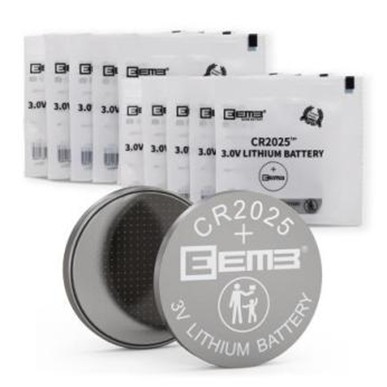
From the official recall notice: “This recall involves EEMB lithium batteries in individual pouches, models include: CR2025, CR2032, CR2450, CR2477, CR2016, CR1220, CR1225, CR1616, CR1620, CR1632 and CR2025-10. The lithium coin batteries come in a five, ten or twenty size pack. "EEMB" and the battery type is printed on the face of the coin battery. The white pouch has "EEMB" printed in the upper left corner.”
Why was EEMB Lithium Battery Packs recalled?
According to the CPSC, the hazard is described as follows: “The lithium coin batteries are in pouches that are not child-resistant as required under Reese's Law. If a child swallows button cell or coin batteries, the ingested batteries can cause serious injuries, including internal chemical burns and death.” In plain terms, this recall relates to a fire or burn hazard.
A fire or burn hazard means the product can overheat, catch fire, or cause burns during normal use or charging. Recalls like these are issued to prevent property damage and injuries. Consumers are usually advised to stop using the product right away.
Reported injuries at the time of the recall notice: None reported
What should you do?
If you think you may have bought EEMB Lithium Battery Packs, compare it against the product description and identifying codes before using it.
The official recall notice states: “Consumers should stop using the lithium batteries immediately, place them in an area that children cannot access and contact EEMB USA to receive a full refund. Note: Button cell and coin batteries are hazardous. Batteries should be disposed of or recycled by following local hazardous waste procedures.”
About this recall
This recall applies to products sold in the United States. RecallRadar summarizes recall information from public CPSC data to make it easier to understand. We are an independent service and are not affiliated with the CPSC or any government agency, so please always refer to the official source for the authoritative record — and note the “last synced” date shown on this page, since recall details can change over time.
Full recall details
- Date reported
- May 7, 2026
- Recall started
- May 7, 2026
What you can do
Check whether any product you have matches the description and codes above. If it does, stop using it and follow the instructions in the official recall notice. When in doubt, contact the company or your local health authority.
Quick answers
Why was EEMB Lithium Battery Packs recalled?+
According to the CPSC: The lithium coin batteries are in pouches that are not child-resistant as required under Reese's…
How serious is this recall?+
Consumer product recall. A fire or burn hazard means the product can overheat, catch fire, or cause burns during normal use or charging. Recalls like these are issued to prevent property damage and injuries. Consumers are usually advised to stop using the product right away.
What should I do if I have EEMB Lithium Battery Packs?+
Compare your product against the description and identifying codes on this page. If it matches, stop using it and follow the instructions in the official recall notice — this usually means returning it for a refund or discarding it. When in doubt, contact the company or your local health authority.
Opens the U.S. Consumer Product Safety Commission (CPSC) data for this recall.
Recall number: CPSC-10756. Information last synced from the FDA on July 5, 2026.