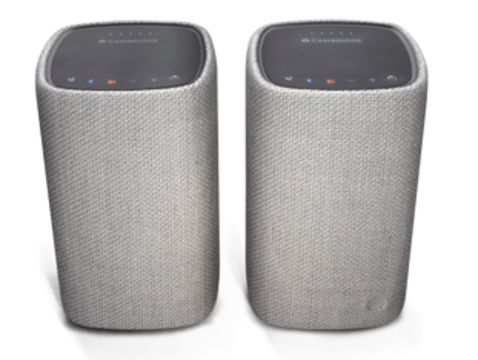
Cambridge Audio Yoyo (M) Portable Bluetooth Speakers
Recalled by Audio Partnership Plc, of England
Consumer product recall
A fire or burn hazard means the product can overheat, catch fire, or cause burns during normal use or charging. Recalls like these are issued to prevent property damage and injuries. Consumers are usually advised to stop using the product right away.
Audio Partnership Plc, of England has recalled Cambridge Audio Yoyo (M) Portable Bluetooth Speakers, according to the U.S. Consumer Product Safety Commission (CPSC). The recall was announced on September 3, 2026. It involves a fire or burn hazard.
Below is a plain-English summary of what was recalled, why it was recalled, how to tell whether you have the affected product, and what steps you can take. For the complete and most current details, you can view the CPSC record linked further down this page.
What was recalled?
This recall covers Cambridge Audio Yoyo (M) Portable Bluetooth Speakers, with approximately About 714 affected. The company behind the recall is Audio Partnership Plc, of England.
From the official recall notice: “This recall involves the Cambridge Audio Yoyo (M) Bluetooth Speaker sold in light gray, dark gray and blue colors. The recalled speakers can be identified by the unit's product name – "Yoyo (M)" – and the following FD numbers which are visible on the underside of the Bluetooth speakers (sold in pairs).”
Why was Cambridge Audio Yoyo (M) Portable Bluetooth Speakers recalled?
According to the CPSC, the hazard is described as follows: “The lithium-ion batteries in the Cambridge Audio Yoyo (M) Portable Bluetooth Speaker can overheat, posing a fire hazard.” In plain terms, this recall relates to a fire or burn hazard.
A fire or burn hazard means the product can overheat, catch fire, or cause burns during normal use or charging. Recalls like these are issued to prevent property damage and injuries. Consumers are usually advised to stop using the product right away.
Reported injuries at the time of the recall notice: The firm has received four reports of incidents resulting in fire, smoke and the ejection of battery material. No injuries have been reported.
What should you do?
If you think you may have bought Cambridge Audio Yoyo (M) Portable Bluetooth Speakers, compare it against the product description and identifying codes before using it.
The official recall notice states: “Consumers should stop using the recalled speakers immediately, disconnect them from the power supply, stop charging them, store them away from combustible materials and contact Audio Partnership for a full cash refund of $218 or Cambridge Audio online store voucher of $350. Once Audio Partnership has processed the request, consumers should then dispose of the product in accordance with any local and state ordinances…”
About this recall
This recall applies to products sold in the United States. RecallRadar summarizes recall information from public CPSC data to make it easier to understand. We are an independent service and are not affiliated with the CPSC or any government agency, so please always refer to the official source for the authoritative record — and note the “last synced” date shown on this page, since recall details can change over time.
Who this recall affects
This recall matters to anyone who bought Cambridge Audio Yoyo (M) Portable Bluetooth Speakers. Even if you feel fine, it's worth checking what you have on hand rather than assuming you were missed.
What fire or burn hazard actually means
A fire or burn hazard means the product can overheat, catch fire, or cause burns during normal use or charging. Recalls like these are issued to prevent property damage and injuries. Consumers are usually advised to stop using the product right away.
In this case, the concern applies specifically to Cambridge Audio Yoyo (M) Portable Bluetooth Speakers from Audio Partnership Plc, of England — not to the wider category of products. Similar items from other brands aren't part of this recall.
How to check whether you have it
On most consumer products, the model and serial number appear on a rating label — usually on the underside, the back panel, inside a battery compartment, or on a sewn-in tag for textiles and children's products. Check the original box if you still have it.
Compare what you find against the product details listed above. If the codes don't match, your item isn't part of this recall.
What to do if you already bought it
Stop using the product now and keep it away from children and pets until it's dealt with.
Follow the remedy in the official notice — typically a free repair kit, replacement, or refund from Audio Partnership Plc, of England. You usually do not need a receipt.
Don't resell or donate a recalled product, and don't assume a second-hand version is safe — recalled items circulate for years on resale sites.
Full recall details
- Date reported
- September 3, 2026
- Recall started
- September 3, 2026
What you can do
Check whether any product you have matches the description and codes above. If it does, stop using it and follow the instructions in the official recall notice. When in doubt, contact the company or your local health authority.
Quick answers
Why was Cambridge Audio Yoyo (M) Portable Bluetooth Speakers recalled?+
According to the CPSC: The lithium-ion batteries in the Cambridge Audio Yoyo (M) Portable Bluetooth Speaker can overheat…
How serious is this recall?+
Consumer product recall. A fire or burn hazard means the product can overheat, catch fire, or cause burns during normal use or charging. Recalls like these are issued to prevent property damage and injuries. Consumers are usually advised to stop using the product right away.
What should I do if I have Cambridge Audio Yoyo (M) Portable Bluetooth Speakers?+
Compare your product against the description and identifying codes on this page. If it matches, stop using it and follow the instructions in the official recall notice — this usually means returning it for a refund or discarding it. When in doubt, contact the company or your local health authority.
Opens the U.S. Consumer Product Safety Commission (CPSC) data for this recall.
Recall number: CPSC-10948. Information last synced from the CPSC on October 18, 2026.